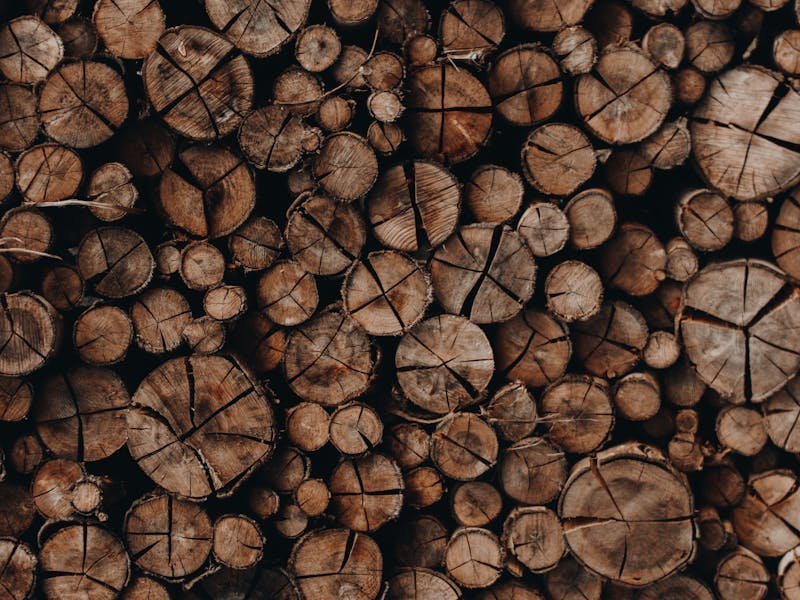
You finally pulled the trigger and had that big oak taken down in your backyard. Or maybe a storm blew through South Huntsville and knocked over a couple of pines, and the tree crew has come and gone. Either way, now you are standing in your yard staring at a pile of wood that is way bigger than you expected. Trunk sections the size of coffee tables. Limbs stacked in a heap. Maybe some wood chips from the chipper. And you are asking yourself: what in the world am I supposed to do with all of this?
You are not alone. This is one of the most common questions we get from homeowners after a tree removal job. Most reputable tree services, including ours, will haul everything away as part of the standard job. But here is the thing: that wood has real value. Depending on the species and condition, the wood from a single large tree can be worth anywhere from a few hundred dollars in firewood to potentially thousands in lumber. And even if it is not worth much on the market, there are plenty of practical uses around your property that can save you money or add to your landscape.
So before you let the crew load everything up and drive away, take a few minutes to think about your options. This guide covers every practical thing you can do with leftover tree wood here in the Huntsville area, including some local resources that make it easy.
Option 1: Turn It Into Firewood
This is the most popular option by far, and it makes perfect sense for homeowners in the Huntsville area. North Alabama gets cold enough in the winter to make a fireplace or fire pit worthwhile, with temperatures regularly dropping into the 20s and 30s from December through February. If you have a fireplace, wood-burning stove, or even just enjoy backyard bonfires, keeping the wood is a no-brainer.
Here is what you need to know about turning your tree removal wood into firewood.
Best Firewood Species in North Alabama
Not all wood burns the same. The species of your tree makes a big difference in how well it performs as firewood. Here in the Huntsville area, we deal with a lot of the following:
- Oak (Red Oak and White Oak) – This is the gold standard for firewood. Oak is dense, burns hot, burns long, and produces excellent coals. A single large oak can produce one to three cords of firewood. If your removed tree was an oak, consider yourself lucky. Oak is by far the most sought-after firewood species in North Alabama.
- Hickory – Nearly as good as oak for heating, and it has that classic hickory smell that is perfect for smoking meat. Hickory is extremely dense and hard, which means it takes longer to split but also burns longer per piece. Very popular in Huntsville for both heating and grilling.
- Sweetgum – Common in Madison County but not the best firewood. Sweetgum is a medium-density hardwood that burns reasonably well once properly seasoned but tends to spark more than oak or hickory. It is fine for an outdoor fire pit but not ideal as your primary heating wood.
- Pine (Loblolly and Virginia Pine) – Pine is everywhere in North Alabama and it burns, but it is a softwood that produces less heat per cord and creates more creosote buildup in your chimney. Pine is fine for kindling and outdoor fires but should not be your main firewood for indoor use. If you do burn pine indoors, make sure you have your chimney cleaned regularly.
- Cherry and Maple – Both burn nicely, produce moderate heat, and have pleasant aromas. Cherry especially is popular for smoking meat.
How to Process and Store Firewood
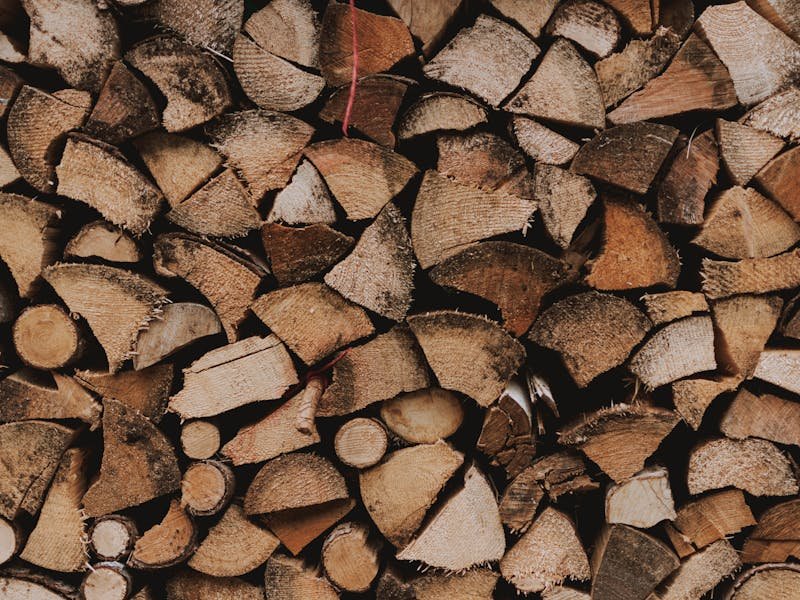
If you ask your tree service to leave the wood, most companies will cut the trunk and major limbs into rounds that are roughly 16 to 18 inches long, which is the standard firewood length. From there, you will need to split the rounds, which you can do with a splitting maul, a hydraulic log splitter, or by hiring someone with a splitter to come do it.
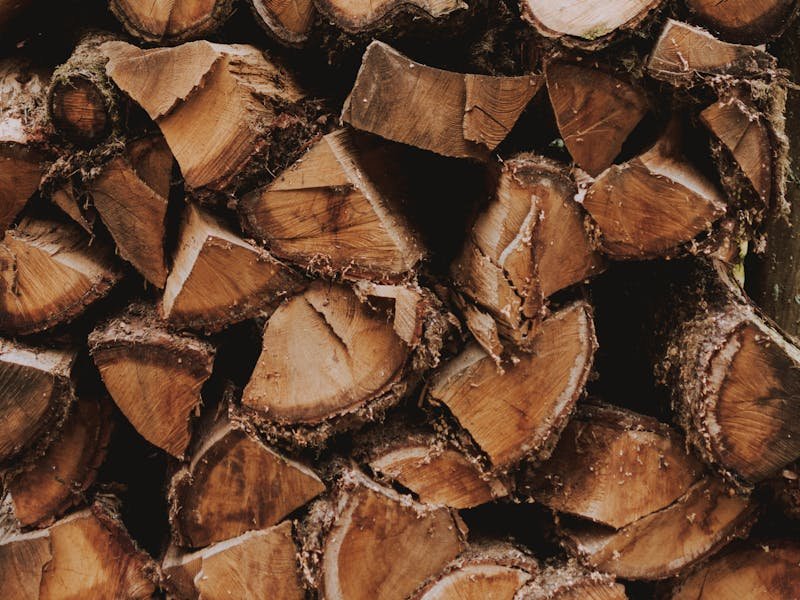
Once split, stack the wood off the ground on pallets or a firewood rack, leave space between the rows for air circulation, and cover the top to keep rain off while leaving the sides open. Here in Huntsville, hardwoods like oak and hickory need about 6 to 12 months to properly season. Wood cut in the spring should be ready to burn by the following fall or winter.
A couple of important storage tips specific to our area. First, stack your firewood at least 20 feet from your house if possible. This matters in Alabama because of termites, which we will talk about more later. Second, keep it away from your foundation and any wooden structures. Stacked firewood near your home is like putting out a welcome mat for subterranean termites, and they are extremely active in the Tennessee Valley.
Option 2: Use Wood Chips and Mulch for Landscaping
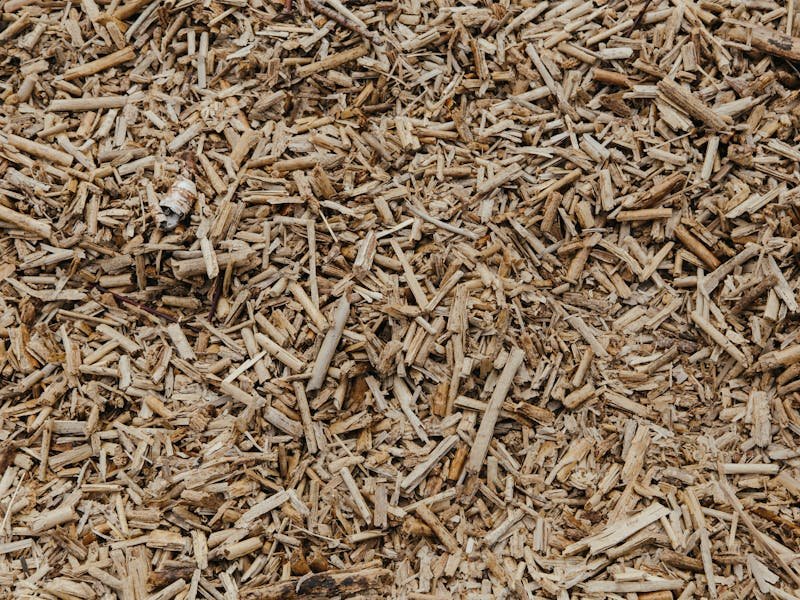
When a tree service chips the smaller branches and limbs through their chipper, the result is a pile of fresh wood chips. Most companies will haul these chips away, but if you ask, they will leave some or all of them for you. And honestly, fresh wood chips from tree removal are one of the best mulching materials you can get, and they are essentially free.
Benefits of Wood Chip Mulch
Wood chips are incredibly useful in Huntsville landscapes. Here is what they do for your yard:
- Weed suppression – A 3 to 4 inch layer of wood chips smothers most weeds. This alone can save you hours of yard work every month during our growing season, which runs from roughly March through October.
- Moisture retention – This is huge in Huntsville. Our summers are brutal, with temperatures regularly hitting 90 to 95 degrees from June through September and humidity that makes it feel even worse. Wood chip mulch dramatically reduces soil moisture loss, which means less watering for your garden beds, trees, and shrubs.
- Temperature regulation – Mulch insulates the soil, keeping roots cooler in our hot summers and warmer during winter cold snaps. This is especially beneficial for newly planted trees and shrubs.
- Soil improvement – As wood chips decompose over one to three years, they add organic matter to the soil. This is particularly valuable in many Huntsville neighborhoods where the native soil is heavy clay that benefits from added organic content.
- Erosion control – If you have slopes on your property, and many homes in Monte Sano, Jones Valley, and The Ledges do, wood chips help hold soil in place during our heavy spring and summer rains.
Where to Use Wood Chips in Your Yard
Spread wood chips around the base of trees and shrubs, leaving a few inches of gap around the trunk to prevent moisture damage. Use them in flower beds, along fence lines, on garden pathways, in play areas, or anywhere you want to suppress weeds and retain moisture. Many homeowners in Hampton Cove and Bailey Cove use wood chips extensively in their landscaping, and the result looks great while saving money on commercial mulch.
A quick note on fresh versus aged chips. Fresh wood chips will temporarily tie up some nitrogen in the soil as they begin to decompose. This is not a problem when chips are used as a surface mulch. But if you are mixing chips directly into garden soil where you plan to grow vegetables or flowers, let them age for six months to a year first, or add a nitrogen-rich fertilizer to compensate. For more on mulching best practices, check out our complete mulching guide for Huntsville homeowners.
Option 3: Have the Wood Milled Into Lumber
This is the option most homeowners do not think about, and it can be the most rewarding and potentially the most valuable. If your removed tree is a large hardwood in decent condition, you can have it milled into boards that can be used for furniture, flooring, mantels, shelving, countertops, and all kinds of woodworking projects.
Best Trees for Milling in the Huntsville Area
Not every tree is worth milling. The species, trunk diameter, straightness, and internal condition all matter. Here are the species common in Huntsville that have the most value as lumber:
- Black Walnut – This is the jackpot. Black walnut lumber is prized by furniture makers and woodworkers and sells for premium prices. If you have a large walnut tree removed, seriously consider having it milled. Even a single decent-sized walnut tree can produce lumber worth hundreds or even thousands of dollars. They are not the most common tree in Huntsville, but they do grow here, particularly in the older neighborhoods around Twickenham and Blossomwood.
- White Oak and Red Oak – Excellent lumber trees. Oak boards are used for furniture, flooring, cabinetry, and more. White oak is especially valuable because it is the preferred species for barrel making and boat building. Large, straight-trunked oaks can yield beautiful boards.
- Cherry – Cherry is a highly valued furniture wood with a beautiful reddish-brown color that deepens with age. If you have a cherry tree big enough to mill, the boards are worth keeping.
- Maple – Hard maple makes excellent flooring and cutting boards. Figured maple, which is maple with interesting grain patterns like curly or birdseye, can be extremely valuable to woodworkers.
- Pecan and Hickory – Both produce attractive and durable lumber. Pecan, which is technically a species of hickory, is increasingly popular for rustic furniture and flooring.
How Portable Milling Works
You do not need to haul your logs to a sawmill. Several operators in the North Alabama area run portable sawmill services where they bring a bandsaw mill right to your property. They will mill your logs into boards on-site, and you can specify the thickness and dimensions you want.
The cost for portable milling in the Huntsville area typically runs around $50 to $100 per hour, or $0.25 to $0.50 per board foot. A large tree can produce several hundred board feet of lumber, so the cost is usually very reasonable relative to the value of the finished boards. Once milled, the boards need to be stacked with spacers between them, called stickers, and air-dried for 6 to 12 months. Some millers also have or can recommend kiln drying services for faster results.
Option 4: Sell the Wood
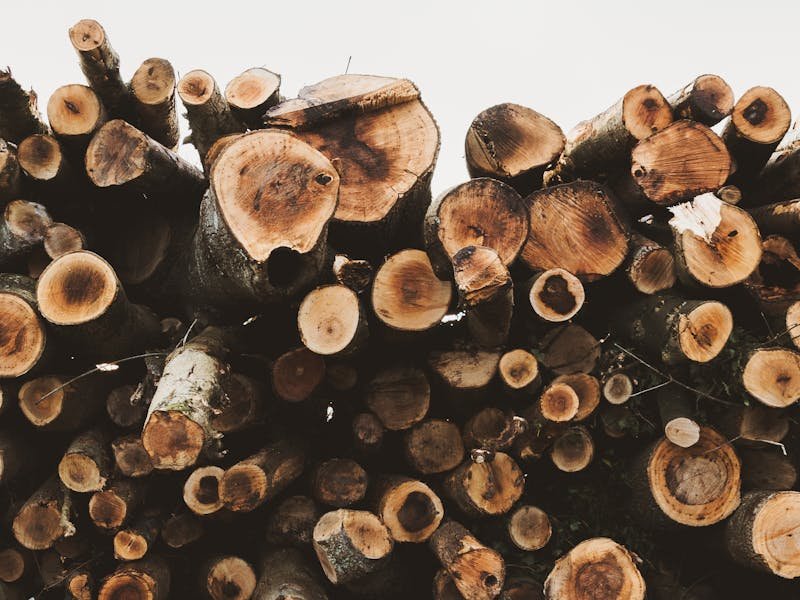
If you do not have a personal use for the wood, someone else probably does. There is a real market for firewood, hardwood logs, and even tree sections in the Huntsville area. Here are your main selling options.
Selling Firewood
A cord of seasoned hardwood firewood sells for $150 to $300 in the Huntsville area, with oak and hickory at the higher end. A large tree can yield one to three cords depending on its size. If you split and season the wood yourself, you can sell it through Facebook Marketplace, Craigslist, or by putting a sign in your yard. Demand peaks in late fall and winter when people are stocking up for the cold months.
The work involved in splitting, stacking, seasoning, and delivering firewood is significant, so this is more of a side project than a quick money-maker. But if you enjoy physical work and have the space to season the wood, it is a legitimate way to recover some of the cost of your tree removal.
Selling Logs to Woodworkers
If you have high-value species like walnut, cherry, or figured hardwoods, you may be able to sell the logs directly to local woodworkers or furniture makers. The Huntsville area has a thriving maker and woodworking community. Posting on local woodworking Facebook groups or reaching out to woodworking shops in the area can connect you with buyers who will pay a fair price for quality hardwood logs, and in some cases they will handle the hauling themselves.
Selling to Firewood Dealers
There are individuals and small businesses in the Huntsville metro that buy raw wood logs and process them into firewood for resale. They will not pay top dollar since they need room for their own markup, but they will often come pick up the wood from your property, which saves you the work. This is a good option if you have a large quantity of wood and just want it gone for some cash without doing the splitting and seasoning yourself.
Option 5: Donate the Wood
Not everyone has the time, energy, or space to deal with leftover tree wood. And that is perfectly fine. But instead of paying to have it hauled to the dump, consider donating it. Plenty of people and organizations in the Huntsville area would love to have free firewood, and it is a great way to turn your leftover tree into something that helps the community.
Who Wants Free Firewood in Huntsville?
- Low-income families – Some families in North Alabama still rely on wood heat as a primary or supplemental heating source. Free firewood during the winter can make a real difference in their energy bills. Local churches and charitable organizations sometimes coordinate firewood distribution.
- Community groups and nonprofits – Churches, scout troops, community gardens, and other groups often need wood for various purposes, from campfire events to garden projects.
- Neighbors and friends – Sometimes the easiest solution is just asking around your neighborhood. Put up a post on your neighborhood Facebook group or Nextdoor page offering free firewood for pickup. In most Huntsville neighborhoods from Weatherly Heights to Harvest, you will get responses quickly.
- Craigslist and Facebook Marketplace – List it as free firewood, self-pickup. People will come get it, usually within a day or two. This is probably the fastest way to get rid of wood you do not want.
Option 6: Creative and Decorative Uses
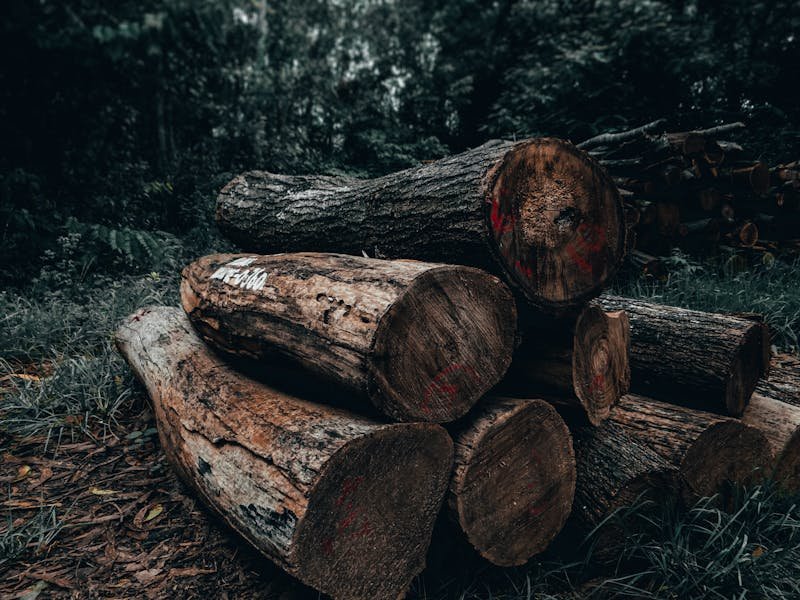
If you are the creative type, or if you know someone who is, tree wood opens up a world of possibilities beyond just burning it or stacking it in a shed. Here are some ideas that Huntsville homeowners have put to good use.
Stump Art and Garden Features
If you had the tree removed but left the stump in place, there are all kinds of things you can do with it. Carved stump art is popular in many Huntsville neighborhoods. Local chainsaw artists can turn a stump into an owl, a bear, a mushroom, or whatever you can imagine. A well-done stump carving can become a focal point of your yard.
Even without carving, a stump can serve as a natural plant stand, a base for a birdbath, or the centerpiece of a fairy garden that kids love. Some homeowners hollow out the top of a stump and plant flowers directly in it for a rustic planter look.
Natural Furniture and Yard Features
Large trunk sections can be turned into natural benches, side tables, or stepping stones. Slabs cut from large trunks, called live-edge or cookie slabs, are popular for making coffee tables, bar tops, and decorative wall hangings. These are especially striking when the wood has interesting grain patterns or burl formations.
Smaller log sections make great garden borders, raised bed edges, or rustic pathway markers. In neighborhoods like Five Points and Blossomwood, where the aesthetic leans toward mature and natural landscaping, these elements fit right in.
Outdoor Play and Wildlife Features
If you have kids, log sections make excellent natural play elements. Balance beams, stepping logs, and climbing structures made from real tree trunks are far more interesting than plastic play equipment and they are essentially free. Stack log sections to create a natural climbing wall or arrange them as seating around a fire pit area.
For wildlife lovers, dead wood attracts beneficial insects, provides habitat for birds and small animals, and supports the local ecosystem. A small brush pile in a back corner of your property, made from branches and smaller wood from your tree removal, provides shelter for toads, lizards, nesting birds, and other wildlife that help control garden pests. Homes backing up to natural areas in Monte Sano or Green Mountain can especially benefit from these wildlife-friendly features.
Option 7: Let the Tree Service Handle Everything
Look, not everybody wants a project. And that is completely fine. If you do not have a use for the wood, do not want to deal with splitting and stacking firewood, and just want your yard cleaned up, the simplest option is to let your tree service company haul everything away.
When you hire a reputable tree service in Huntsville, full cleanup and debris removal should be included in the price. That means all trunk sections, limbs, branches, and wood chips get loaded up and hauled off your property. The crew should leave your yard cleaner than they found it. That is the standard we hold ourselves to on every job.
What happens to the wood after it leaves your property depends on the company. Most tree services in the Huntsville area have arrangements with various outlets:
- Wood recycling facilities – Large-scale chipping and mulching operations that process tree debris into landscape mulch and other wood products.
- Firewood processing – Some companies sell the hardwood logs to firewood processors or process it themselves for resale.
- Composting facilities – Green waste composting operations that turn organic debris into compost and soil amendments.
- Landfill (as a last resort) – Good companies minimize how much goes to the landfill. Most tree wood has a better use than taking up space in a dump.
If sustainability matters to you, it is worth asking your tree service what they do with the removed material. A company that recycles and repurposes the wood is doing right by the community and the environment.
Important Considerations Before You Decide
Before you commit to keeping or using the wood from your tree removal, there are a few practical things to think about, especially here in the Huntsville area.
Termite Risk
Alabama is one of the highest-risk states for subterranean termites, and the Huntsville area is no exception. Storing wood near your home or on the ground near your foundation can create conditions that attract termites. If you are keeping firewood, stack it at least 20 feet from your house, elevate it off the ground, and keep it away from any wooden structures like decks, sheds, or fences. For more information, check out our article on how dead trees and wood attract termites to your Huntsville home.
HOA and Neighborhood Rules
Some Huntsville subdivisions and HOAs have rules about storing firewood or having visible wood piles in your yard. Before you stack a cord of oak in your side yard, check your HOA covenants. Some neighborhoods like The Ledges and McMullen Cove have stricter aesthetic guidelines that might govern where and how you can store firewood.
Diseased or Pest-Infested Wood
If your tree was removed because of disease or pest infestation, you need to be careful about what you do with the wood. Some tree diseases common in North Alabama can spread through infected wood. For example, oak wilt can spread from infected firewood to healthy oaks. If your tree had a disease, ask your tree service company or a local arborist whether the wood is safe to keep and use, or whether it should be removed from your property to protect your other trees.
Space and Time
Be honest with yourself about whether you have the space to store wood and the time to process it. A large tree produces a surprising amount of material. If your property in Five Points or Twickenham has a small lot with limited storage space, keeping several cords of wood might not be practical. On the other hand, if you have a larger lot in Harvest, Meridianville, or Owens Cross Roads, you probably have plenty of room to season firewood or stack logs for a future project.
Drying Time
Fresh-cut wood is heavy with moisture and is not ready to burn, mill, or use for most purposes right away. Depending on the species and how you store it, you are looking at 6 to 12 months of drying time for firewood and potentially longer for lumber. Plan accordingly. If you want firewood for next winter, you need to have it cut and stacked by spring.
Frequently Asked Questions About Wood After Tree Removal
Make the Most of Your Tree Removal in Huntsville
Removing a tree from your property does not have to mean sending all that material to a landfill. Whether you turn it into firewood for next winter, use the chips to mulch your garden beds, have a beautiful walnut trunk milled into boards for a dining table, or simply give it away to a neighbor who heats with wood, there are plenty of good options for that leftover tree material.
The key is thinking about it before the tree service shows up, not after. If you want to keep the wood, let your tree crew know ahead of time so they can cut the trunk into the lengths you want and set aside the pieces you plan to use. If you want certain sections saved for milling, tell them that too. A good crew will work with you to make sure you get the material you want in a usable form.
If you need a tree removed in Huntsville, Madison, Decatur, or anywhere in the surrounding area, give us a call. We are happy to discuss your wood salvage options when we provide your free estimate. Whether you want us to haul everything away, leave the firewood, or carefully set aside special logs for milling, we will make it work.
Call (256) 555-0123 or request your free estimate online. We will come out, assess your tree, give you an honest price, and help you make a plan for the wood that works for your situation.