If you have lived in the Huntsville area for more than a couple of years, you have probably noticed a neighbor's tree suddenly drop all its leaves in mid-July, or watched a big oak behind your house slowly lose branches until the whole canopy was thin and brown. Trees in North Alabama face a unique set of challenges. The Tennessee Valley's humid subtropical climate—Zone 7b on the USDA hardiness map—means we get hot, wet summers that drag on well into October, mild winters that do not always kill off overwintering pests, and enough rain to keep fungi thriving from April through November.
Our crew has been diagnosing and treating sick trees across Madison County, Limestone County, and Morgan County for years. We have pulled into driveways in Hampton Cove, Five Points, and neighborhoods up on Monte Sano where homeowners were sure their tree just needed water, only to find a disease that had been silently at work for months. The truth is, a lot of tree diseases in our area are treatable—but only if you catch them early. Wait too long, and your only option is professional tree removal before the dead tree falls on your roof or your kid's swing set.
In this guide, I am going to walk you through the five tree diseases we diagnose most often in North Alabama. For each one, I will cover what it looks like, which trees it attacks, how it spreads, what you can do about it, and when it is time to pick up the phone and call in a professional. No fluff, no textbook jargon—just practical information from people who work on these trees every day.
1. Oak Wilt — The Silent Killer of North Alabama's Oaks
If I had to pick one disease that scares me the most in our line of work, it is Oak Wilt. Caused by the fungus Bretziella fagacearum, Oak Wilt is absolutely devastating once it gets established in a stand of oak trees. And North Alabama has a lot of oak trees. Drive through any established neighborhood in Huntsville—Blossomwood, Weatherly Heights, Twickenham—and you will see mature red oaks, white oaks, and water oaks providing shade over homes that were built 40 or 50 years ago. These are the trees most at risk.
How to Identify Oak Wilt
Oak Wilt symptoms vary depending on whether you are looking at a red oak or a white oak, and this distinction matters a lot for treatment.
In red oaks (which includes water oaks, willow oaks, and Shumard oaks), the disease moves fast. Frighteningly fast. You might notice the leaves starting to wilt and turn brown from the edges inward, usually beginning at the top of the crown and working down. The leaves often take on a dull, bronze-green color before going brown. A red oak with Oak Wilt can go from looking perfectly healthy to completely dead in three to six weeks. That is not an exaggeration. We have responded to calls in south Huntsville where a homeowner told us the tree looked fine two weeks ago.
In white oaks (including post oaks and bur oaks), the progression is slower. White oaks can compartmentalize the fungus better, so you might see individual branches dying off over the course of a year or two rather than the whole tree going at once. Leaves on affected branches will brown and curl, and you will see progressive crown dieback that gets worse each growing season.
One tell-tale sign across all oaks: if you peel back the bark on a freshly dead branch, you may see dark streaking in the sapwood—that is the fungus plugging up the tree's vascular system.
How Oak Wilt Spreads
This is the part that makes Oak Wilt so dangerous in our area. It spreads two ways:
- Through root grafts. Oaks of the same species growing near each other—typically within 50 to 75 feet—will often graft their root systems together underground. The fungus travels through these connected roots from one tree to the next. In older Huntsville neighborhoods where red oaks line the street, one infected tree can kill every red oak on the block through root-to-root transmission.
- Through sap-feeding beetles. Nitidulid beetles are attracted to the sweet-smelling fungal mats that form under the bark of infected red oaks. They pick up the spores and carry them to fresh wounds on healthy oaks—including pruning cuts. This is why we always tell homeowners: do not prune your oaks between April and October in North Alabama. Beetle activity peaks during our warm months.
Treatment Options
Here is the honest reality. If a red oak has Oak Wilt and you can see symptoms in the canopy, the tree is almost certainly going to die. At that point, the priority shifts to preventing spread.
- Trench lines. Digging a trench at least 4 feet deep between an infected tree and healthy oaks can sever root grafts and stop underground transmission. This is the single most effective containment measure.
- Fungicide injections. For white oaks and for high-value red oaks that have not yet shown symptoms but are near an infected tree, macro-injections of propiconazole can provide some protection. This is not a DIY job—it requires professional equipment and precise application.
- Prompt removal and disposal. Infected trees should be removed and the wood either burned, chipped, or debarked immediately. Do not stack Oak Wilt-infected wood in your yard. The fungal mats can still attract beetles and spread the disease.
When to Call a Professional
Call an arborist immediately if you see rapid leaf drop or browning in any oak during the growing season. Oak Wilt moves fast, and waiting even two weeks can mean the difference between saving neighboring trees and losing them all. If you suspect Oak Wilt in your Huntsville-area oaks, we offer same-day diagnostic visits—call us at (256) 555-0123.
2. Hypoxylon Canker — The Disease Behind Most "Suddenly Dead" Trees
If Oak Wilt is the disease I fear most, Hypoxylon Canker is the one I see most. We probably get more calls about Hypoxylon than everything else on this list combined, and there is a good reason for that: it thrives in exactly the conditions North Alabama gives us every summer.
Here is what most people do not realize about Hypoxylon. The fungus (Biscogniauxia atropunctata, formerly classified under the Hypoxylon genus) is already present on most healthy hardwood trees. It sits in the bark, dormant, just waiting. When a tree gets stressed—and in North Alabama, that usually means drought stress during our brutal July and August heat—the tree's natural defenses weaken, and the Hypoxylon fungus takes over.
How to Identify Hypoxylon Canker
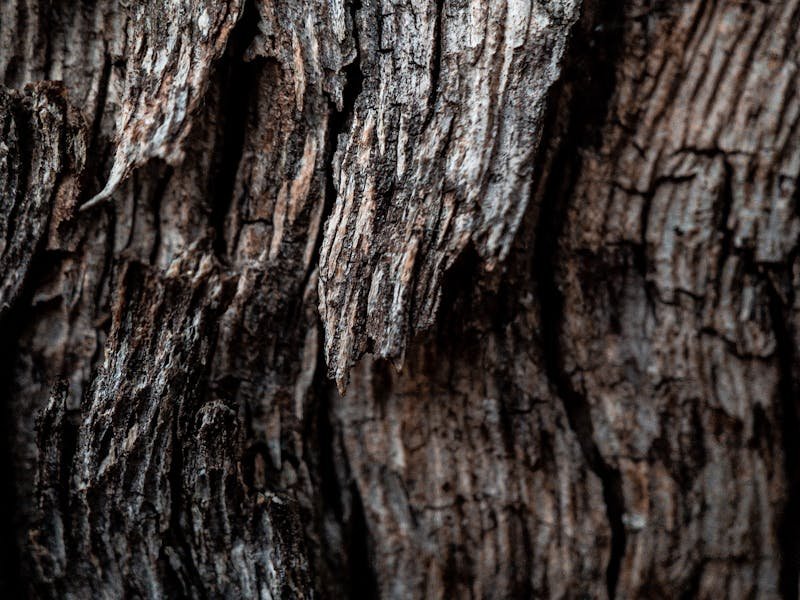
The classic sign most homeowners notice first is bark sloughing off in large sheets, exposing a dark, crusty layer underneath. That crusty layer is the fungal stroma—essentially the reproductive body of the Hypoxylon fungus. Early on, this layer looks tan or olive-brown and has a dusty, powdery texture (those are the spores). As it matures, it turns dark brown to black and becomes hard and brittle.
Other symptoms to watch for:
- Crown dieback that starts at the tips of upper branches
- Leaves that are smaller than normal and pale or yellowed
- Dead branches with bark that peels away easily
- Large sections of trunk with exposed, darkened wood
The tricky thing about Hypoxylon is that by the time you see the obvious fungal growth on the trunk, the tree has usually been declining for a while. The bark falling off and the black crust are late-stage symptoms.
Trees Most Commonly Affected
In the Huntsville area, we see Hypoxylon Canker most often on:
- Post oaks—especially on drier ridgelines like Monte Sano and Green Mountain
- Water oaks—common in neighborhoods throughout south Huntsville and Madison
- Red oaks—particularly those growing in compacted soil near construction sites
- Hickories—less common but we see it, especially in rural areas of Limestone County
The trees on Monte Sano are particularly vulnerable. That rocky, thin soil up on the mountain does not hold moisture well, and during a dry spell those post oaks and chestnut oaks are the first to get stressed. We have seen entire hillsides on the south face of Monte Sano lose trees to Hypoxylon after consecutive drought years.
Treatment Options
I wish I had better news here, but I believe in being straight with people. Once Hypoxylon Canker is actively producing spores on the trunk, the tree cannot be saved. There is no fungicide treatment, no injection, no spray that will reverse it. The tree is dying and needs to come down before it becomes a hazard.
The good news is that prevention works. Since Hypoxylon is an opportunistic disease that only takes over stressed trees, keeping your trees healthy is the best defense:
- Deep watering during drought. Give your oaks a slow, deep soak every 10 to 14 days during dry periods. One good soaking is worth ten light sprinklings.
- Mulch the root zone. A 3-inch layer of organic mulch out to the drip line conserves moisture and keeps soil temperatures more stable.
- Avoid root damage. Construction, trenching, and heavy equipment over root zones stress trees and open the door for Hypoxylon. If you are doing any building or grading work, protect the root zones of trees you want to keep.
- Proper pruning. Regular tree trimming and pruning removes deadwood and improves air circulation, reducing overall stress on the tree.
When to Call a Professional
Call for an evaluation if you notice bark falling off your oaks or hickories, especially during or after a drought. If Hypoxylon is confirmed and the tree is near your home, driveway, or any structure, get it removed sooner rather than later. Hypoxylon-killed trees become brittle fast. The wood dries out and major limbs can snap without warning. We have seen Hypoxylon-affected trees in Jones Valley and Bailey Cove drop limbs on parked cars and fences because the homeowner waited too long.
3. Pine Bark Beetle Damage — When the Pines Turn Red
Drive along Highway 431 toward Owens Cross Roads in late summer, and you will occasionally spot clusters of dead pines—their needles rusty red against the green forest. That is Pine Bark Beetle damage, and it is one of the most visible tree health problems in North Alabama.
We are not dealing with just one beetle here. North Alabama is home to several species of bark beetles that attack pines, but the three we see most are the Southern Pine Beetle (Dendroctonus frontalis), the Ips engraver beetles, and the Black Turpentine Beetle. Each one works a little differently, but the end result is the same: dead pines.
How to Identify Pine Bark Beetle Damage
Bark beetle infestations usually progress through a few stages that you can learn to recognize:
- Pitch tubes. Small, popcorn-sized blobs of resin on the bark surface. This is the tree's attempt to "pitch out" the boring beetles. If the tubes are white or pinkish, the tree is still fighting. If they are dry and reddish-brown, the beetles have won.
- Boring dust. Fine, reddish-brown sawdust in bark crevices and at the base of the tree.
- Fading crown. Needles start turning from green to yellow to red, usually beginning at the top. By the time the entire crown is red, the tree has been dead for a while—it just took the needles a few weeks to show it.
- Bark galleries. Peel back loose bark and you will find the characteristic S-shaped or branching galleries carved into the inner bark by the beetles and their larvae.
Why North Alabama Pines Are Vulnerable
Pines in the Tennessee Valley face a perfect storm of stress factors that weaken them against beetle attack:
- Summer drought. Loblolly pines and shortleaf pines are common throughout Madison County, but they struggle during extended dry periods. A stressed pine produces less resin, which is its primary defense against boring beetles.
- Storm damage. Huntsville sits squarely in Dixie Alley. The straight-line winds and tornadoes that sweep through the valley snap and damage pines. Damaged trees release chemical signals that actively attract bark beetles.
- Overcrowding. Many pine stands in our area—especially on former agricultural land that was allowed to grow back—are densely packed. Overcrowded pines compete for water and nutrients, keeping all of them in a weakened state.
- Mild winters. Our winters are not consistently cold enough to produce the extended freezes that would significantly reduce overwintering beetle populations.
Treatment Options
Once a pine's crown has turned red, the tree is dead and the beetles have already moved on to the next target. At that point, removal is the only option. But for actively green pines that are at risk, there are preventive measures:
- Preventive insecticide sprays. Bifenthrin or permethrin-based products applied to the trunk can deter beetles from boring in. This is most effective for high-value landscape pines near homes. It needs to be done before beetles arrive—usually in early spring and again in mid-summer for our area.
- Thinning. Reducing the density of pine stands gives remaining trees more access to water and sunlight, making them healthier and more resistant. We do a lot of selective pine thinning in the rural areas around Meridianville, Toney, and New Market.
- Prompt salvage. If you have beetle-killed pines, removing them quickly—especially between October and March—can reduce the local beetle population before the next breeding cycle. Do not leave dead pines standing or stacked as firewood near living pines.
- Watering during drought. Supplemental watering during extended dry periods helps pines maintain resin production. Focus on soaking the root zone out to the drip line.
When to Call a Professional
Call as soon as you notice pitch tubes, boring dust, or fading needles on any pine. Bark beetle infestations spread from tree to tree, and early intervention on the surrounding pines can prevent a localized problem from turning into a property-wide catastrophe. If you have a cluster of dying pines, we can evaluate the remaining trees and apply preventive treatments to protect them. Reach us at (256) 555-0123.
4. Anthracnose — The Spring Leaf Disease That Looks Worse Than It Is
Every spring, right around late March through May, our phones start ringing with panicked calls from Huntsville homeowners who wake up to find their sycamore, dogwood, or maple dropping brown, curled leaves. Nine times out of ten, the culprit is Anthracnose—a group of closely related fungal diseases that attack the leaves and young shoots of hardwood trees.
The good news? Anthracnose is almost never fatal. The bad news? It looks terrible, and in severe years it can significantly weaken a tree if it defoliates repeatedly.
How to Identify Anthracnose
Anthracnose symptoms vary somewhat by tree species, but the common thread is irregular, brown to black dead areas on the leaves, often following the veins:
- On sycamores: This is where we see the worst cases in Huntsville. Sycamore anthracnose causes brown, dead patches along leaf veins, twig dieback, and sometimes the total loss of the first flush of spring leaves. The tree looks dead or dying in May, then pushes out a new set of leaves by mid-June. We get calls about this from homeowners in the Twickenham Historic District every spring—those big old sycamores along the streets are anthracnose magnets.
- On dogwoods: Dogwood anthracnose (caused by Discula destructiva) is more serious. It causes tan spots with purple borders on the leaves, progressive twig dieback, and can eventually kill the tree over several years. The native dogwoods on Monte Sano and in the forested areas around Huntsville are particularly susceptible.
- On maples and oaks: Brown, irregular blotches on leaves, often concentrated near the tips and margins. Usually cosmetic and not a major threat to tree health.
Why North Alabama Gets Hit Hard
Anthracnose fungi love cool, wet spring weather. And if you have lived through an April in Huntsville, you know that is exactly what we get. Our springs are a roller coaster—a warm week in March gets the trees leafing out early, then a wet, cool snap in April provides perfect conditions for the Anthracnose fungus to infect all that tender new growth. The spores spread through rain splash and wind-driven moisture, so those rainy weeks we get in the Tennessee Valley are essentially a fungal highway system.
Years with an extended cool, wet spring—like we see when Gulf moisture stalls over the valley—tend to produce the worst Anthracnose outbreaks. Hot, dry years typically see much less of it because the fungus needs that moisture to germinate and spread.
Treatment Options
Because Anthracnose is usually not life-threatening (dogwood anthracnose being the notable exception), treatment focuses on reducing severity and keeping the tree healthy enough to recover:
- Rake and remove fallen leaves. The fungus overwinters in fallen leaf debris. Cleaning up leaves in the fall removes a major source of spring spores. This is simple but surprisingly effective.
- Improve air circulation. Pruning out crowded interior branches allows better airflow through the canopy, which dries leaves faster and reduces infection rates.
- Fungicide sprays. For high-value trees with recurring severe Anthracnose, a fungicide program starting at bud break can significantly reduce infection. Chlorothalonil or copper-based products are most common. Timing is critical—the spray has to be on the leaves before the fungal spores arrive, so application needs to begin in early spring before leaves fully emerge.
- Water and fertilize. A healthy tree tolerates Anthracnose much better than a stressed one. Proper watering and a balanced fertilizer program help the tree push through repeated defoliation.
- For dogwoods specifically: Prune out dead and infected branches promptly. Avoid overhead irrigation. Consider planting Kousa dogwoods (Cornus kousa) or resistant cultivars like 'Appalachian Spring' if you are replacing a lost tree—they handle our climate well and have much better resistance to dogwood anthracnose.
When to Call a Professional
For most hardwoods with Anthracnose, you do not necessarily need professional intervention unless the tree has been severely defoliated for two or more consecutive years and is showing signs of general decline (dead branches, thin canopy, reduced growth). Dogwood anthracnose is the exception—if your dogwood is showing the classic spots and twig dieback, a professional evaluation sooner rather than later gives you the best shot at saving the tree. Our team can set up a targeted treatment program and evaluate overall tree health.
5. Root Rot — The Hidden Killer You Cannot See Coming
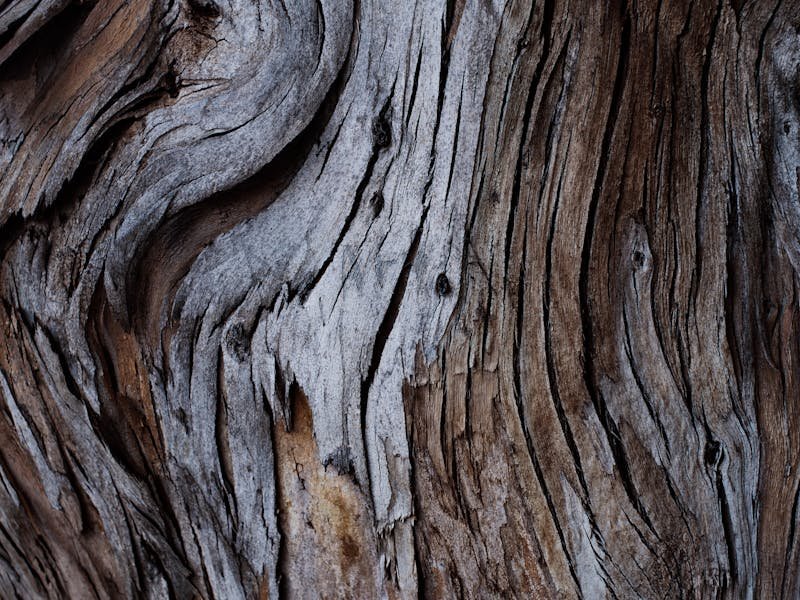
Root rot is the disease I wish more homeowners knew about, because by the time you realize your tree has it, you have already been living next to a hazard tree for months or even years. Unlike the other diseases on this list, root rot works underground where you cannot see it. The first visible sign is often a tree that suddenly leans or, worse, falls over in a storm—perfectly green canopy and all.
Several fungal pathogens cause root rot in North Alabama, but the most common ones we encounter are Armillaria species (also called Shoestring Root Rot or Honey Fungus), Phytophthora species, and Ganoderma (which you might recognize from the shelf-like conks that grow on the trunks of infected trees).
How to Identify Root Rot
Since the damage is happening underground, you need to watch for above-ground clues that something is wrong down below:
- Mushroom clusters at the base of the tree. Honey-colored mushrooms growing in clusters at the trunk base or over major surface roots in the fall are a classic sign of Armillaria root rot. Shelf-like or fan-shaped conks (like Ganoderma or artist's conk) growing on the lower trunk or root flare are another red flag.
- Gradual crown thinning and dieback. The canopy becomes progressively thinner over a couple of years, with smaller leaves and less dense foliage. The tree may leaf out late in the spring compared to the same species nearby.
- Leaning. If a tree that has stood straight for decades suddenly starts leaning, root rot may have compromised the structural roots holding it upright. This is an emergency situation.
- Soil heaving. Cracked or raised soil on one side of the tree base can indicate roots have rotted on the opposite side and the tree is starting to shift.
- Bark discoloration at the base. Dark, wet-looking bark at the root flare (where the trunk meets the ground) sometimes indicates Phytophthora infection.
Why Root Rot Thrives in North Alabama
Root rot pathogens need two things: warm soil and excess moisture. The Tennessee Valley delivers both in abundance.
Our heavy clay soils—common throughout the Huntsville metro, especially in the flatter areas of Madison, Meridianville, and Harvest—do not drain well. After a heavy rain, water sits in the root zone for days. During our summer thunderstorm pattern, when we can get 2 to 3 inches of rain in an afternoon, the clay holds that water around the roots like a bathtub. Add in soil temperatures that stay above 60 degrees from May through October, and you have a root rot incubator.
Trees planted too deep are especially vulnerable. We see this constantly in newer subdivisions throughout Madison County where builders brought in fill dirt and buried root flares during grading. A tree with its root flare buried 4 to 6 inches below grade is a root rot case waiting to happen.
Armillaria is particularly well-suited to our area. It spreads through the soil via dark, root-like structures called rhizomorphs (the "shoestrings" that give it its common name), and it can persist in dead root fragments in the soil for years. If you have a stump from a previous tree removal that was ground but not completely removed, Armillaria can live on in the remaining root wood and infect nearby trees.
Treatment Options
Root rot is difficult to treat because the fungus is underground and systemic. Once a tree has significant root rot, the options are limited:
- Improve drainage. For Phytophthora root rot, correcting drainage issues around the tree can slow the progression. This might mean regrading, installing French drains, or simply redirecting downspouts away from the root zone.
- Expose the root flare. If the tree was planted too deeply, carefully excavating around the trunk to expose the root flare can help dry out the bark and create less favorable conditions for the fungus. This is called root collar excavation, and it is something we do frequently in the Huntsville area.
- Phosphonate treatments. For Phytophthora infections caught early, soil drenches or trunk injections with phosphonate-based products can suppress the pathogen. These are not a cure, but they can buy time and improve the tree's condition.
- Remove dead stumps. If you have had a tree removed on your property, make sure the stump is properly ground. This eliminates a food source for Armillaria and reduces the risk of it spreading to nearby trees.
- Strategic tree removal. For trees with advanced root rot, especially those near homes, driveways, or areas where people spend time, removal is the safest option. A tree with 50 percent or more of its root system compromised is a falling hazard, full stop.
When to Call a Professional
Call immediately if you see mushrooms or conks growing at the base of any tree, if a tree starts leaning that was not leaning before, or if you notice soil heaving around the root zone. Root rot compromises structural stability, and a tree that looks perfectly green and healthy above ground can still fall without warning if the roots are gone. This is genuinely dangerous, and it is not a wait-and-see situation. Our team uses resistograph testing and root zone assessment to determine how much structural root remains and whether the tree is safe to keep standing.
How Huntsville's Climate Ties It All Together
You might have noticed a common thread running through all five of these diseases: stress. Stressed trees get sick. Healthy trees fight off most pathogens on their own. And the single biggest source of tree stress in North Alabama is our climate pattern.
Here is what a typical year looks like for a mature hardwood in the Tennessee Valley from a stress perspective:
- March–April: Cool, wet conditions trigger leaf-out and invite Anthracnose infection on new growth.
- May–June: Warming temperatures and continued rain keep fungal diseases active. Bark beetles begin their first generation.
- July–August: The hammer drops. Temperatures hit the mid-90s regularly, humidity stays above 80 percent, and between the thunderstorms there can be stretches of 2 to 3 weeks without rain. This is when drought stress peaks and Hypoxylon moves in on weakened trees. The wet soil from earlier in the year has created ideal conditions for root rot fungi that are now thriving in warm soil.
- September–October: Temperatures begin to moderate but humidity stays high. Late-summer beetle generations are boring into weakened pines. Armillaria mushrooms appear at the bases of trees with root rot.
- November–February: Dormancy. Mild winters mean fewer hard freezes to knock back insect populations or kill fungal spores in the soil.
The takeaway is that the window for tree stress in our area is long—almost half the year—and the conditions that promote disease are baked into our geography. The Tennessee Valley traps humid air, the clay soils hold water, and the summer heat pushes trees to their limits. Understanding this cycle is the first step in protecting your property's trees.
Preventive Maintenance: Your Best Defense
Across all five of these diseases, the single most effective strategy is keeping your trees healthy so their natural defenses stay strong. Here is a checklist of preventive measures that apply broadly:
- Water deeply during drought. One thorough soaking every 10 to 14 days during dry periods beats daily light watering every time. Focus on the root zone, not the trunk.
- Mulch properly. Keep 2 to 4 inches of organic mulch over the root zone, but pull it back from the trunk. No volcano mulching—that buries the root flare and invites root rot.
- Prune at the right time. Oaks should be pruned in the dormant season (December through February) to avoid attracting Oak Wilt vectors. Other hardwoods can generally be pruned in late winter. Professional pruning ensures proper cuts that heal cleanly.
- Protect root zones during construction. If you are building, adding a driveway, or doing any grading, fence off the drip line of trees you want to keep. Soil compaction and root damage from heavy equipment kills more trees in our area than most people realize.
- Remove dead and infected trees promptly. Do not let diseased trees stand and serve as a source of infection for their neighbors. Prompt tree removal is often the best way to protect the remaining trees on your property.
- Get an annual inspection. Have a certified arborist walk your property once a year and look for early warning signs. Catching a disease in its early stages gives you options. Catching it late usually means removal.
When You Need Help, Call Huntsville Tree Pros
We have been working with trees across the Huntsville metro for years, and we have seen every one of these diseases more times than we can count. Whether you are dealing with a red oak that suddenly dropped its leaves, a pine turning red in your backyard, mushrooms growing at the base of your favorite shade tree, or you just want someone knowledgeable to take a look and tell you what is going on—we are here.
We serve Huntsville, Madison, Decatur, Athens, Hampton Cove, Monte Sano, Jones Valley, and communities throughout Madison County, Limestone County, and Morgan County. We provide honest assessments, fair pricing, and we will always tell you the truth about what your tree needs—even if the answer is that it is fine and you should just keep watering it.
Give us a call at (256) 555-0123 or request a free estimate online. We offer same-day consultations for urgent tree health concerns.