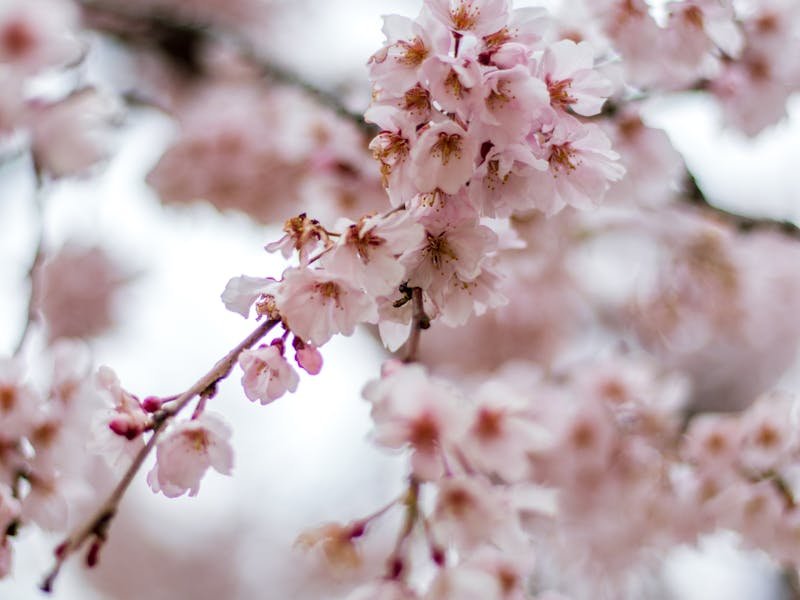
If there is one tree that defines summer in Huntsville, Alabama, it is the crepe myrtle. Drive through any neighborhood from Five Points to Madison to South Huntsville between June and September, and you will see them everywhere, their brilliant clusters of pink, purple, red, and white flowers putting on one of the longest-running color shows of any tree in our region. They line medians along Research Park Boulevard, anchor front yards in Blossomwood, and frame entryways in practically every subdivision built in the last three decades.
Crepe myrtles are wildly popular in North Alabama for good reason. They love our hot summers. They handle our clay soil better than most ornamental trees. They are relatively drought tolerant once established. They bloom for months when most other trees have long since finished their show. And their peeling bark and graceful branching structure look gorgeous even in winter when the leaves are gone.
But here is the thing. As popular as crepe myrtles are in Huntsville, an enormous number of them are being improperly cared for. The most common offense? What tree professionals and horticulturists have dubbed "crepe murder," the horrific practice of hacking the tops off every year, leaving behind ugly, knobby stubs that produce weak, floppy regrowth. If you have driven around Huntsville in late February, you have seen it. Rows of crepe myrtles butchered to stubs, their beautiful natural form destroyed.
This guide is going to set the record straight. We are going to walk you through everything you need to know about crepe myrtle care in Huntsville, from proper pruning techniques to disease prevention to the best varieties for our Zone 7b climate. Whether you have a single crepe myrtle in your front yard or a row of them along your driveway, this guide will help you keep them healthy, beautiful, and thriving for decades.
Understanding Crepe Myrtles in Huntsville's Climate
Huntsville sits in USDA Hardiness Zone 7b, which means our average annual extreme minimum temperature is 5 to 10 degrees Fahrenheit, though we occasionally dip into the single digits or just below zero during particularly harsh cold snaps. This puts us right in the sweet spot for crepe myrtles, which are generally hardy to Zone 7 and some varieties to Zone 6.
Our growing conditions are actually close to ideal for these trees. They evolved in areas with hot summers and moderate winters, which is exactly what Huntsville delivers. Our summers are long and hot, typically hitting the 90s from June through September with high humidity. Our winters are mild by national standards, with average lows in the 30s and 40s from December through February. This gives crepe myrtles a long growing season and plenty of heat to fuel their extended bloom period.
The main climate challenges crepe myrtles face in Huntsville are:
- Late freezes: We occasionally get hard freezes in late March or even early April after trees have started leafing out. This can damage new growth on crepe myrtles, but they recover quickly because they bloom on new wood.
- Humidity and disease: Our high summer humidity creates favorable conditions for powdery mildew and sooty mold, two of the most common crepe myrtle diseases. More on this later.
- Heavy clay soil: Much of Huntsville sits on heavy red clay soil, which retains water and drains slowly. Crepe myrtles prefer well-drained soil, so planting in unimproved clay can lead to root issues. Amending the soil with organic matter at planting time makes a big difference.
- Severe storms: Huntsville is in Dixie Alley and gets hit with serious thunderstorms, hail, and occasional tornadoes. Improperly pruned crepe myrtles with weak, top-heavy regrowth are especially vulnerable to storm damage. Properly pruned trees with strong branch structure handle storms much better.
Understanding these local conditions is the first step toward giving your crepe myrtles the care they need. Everything else in this guide builds on this foundation.
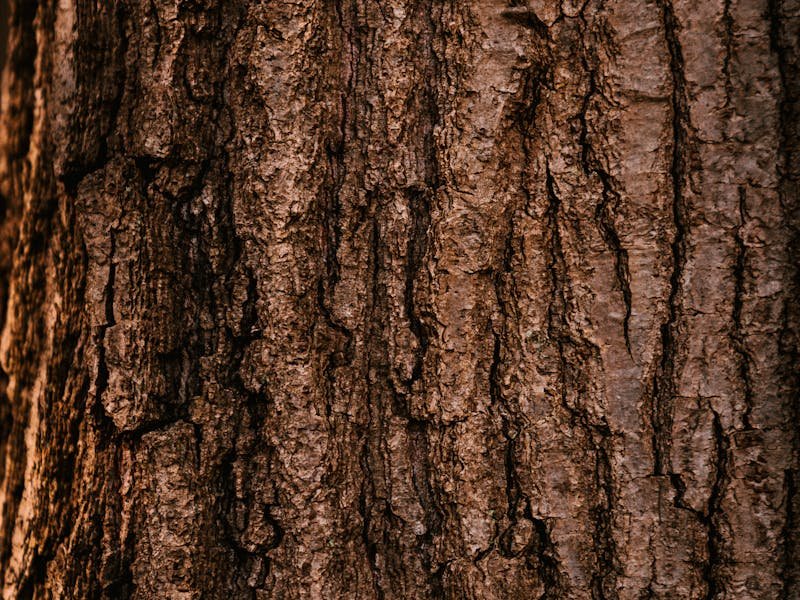
Proper Crepe Myrtle Pruning: How to Do It Right (and What to Stop Doing)
Pruning is where most Huntsville homeowners go wrong with crepe myrtles. It is also where the biggest single improvement can be made. Proper pruning preserves the tree's natural beauty, promotes healthy growth, and encourages abundant blooming. Improper pruning destroys the form, weakens the structure, and creates an ongoing cycle of ugly regrowth that requires more aggressive cutting each year.
What Is Crepe Murder?
Let us address the elephant in the room. Crepe murder is the practice of topping crepe myrtles, cutting the main trunks and major branches back to stubs, usually 3 to 6 feet above the ground. The result looks like a row of stumps with thick, knobby scarring at the cut points. Every late winter in Huntsville, you can see this happening all over town. Landscape crews and well-meaning homeowners hack away at their crepe myrtles, thinking they are doing the right thing.
They are not. Here is what crepe murder actually does:
- Destroys the natural form. Crepe myrtles have a beautiful, naturally vase-shaped growth habit with smooth, muscular trunks and an open, airy canopy. Topping destroys this form and replaces it with a cluster of thin, whip-like shoots growing from ugly stubs.
- Creates weak growth. The thin shoots that grow from topped stubs are structurally weak. They grow fast and long in a single season, becoming top-heavy with foliage and bloom clusters. This makes them prone to breaking in storms and heavy rain, which we get plenty of in Huntsville.
- Produces knobby scarring. Each year's topping cut creates a callused knob at the cut point. Over time, these knobs grow larger and more grotesque, permanently disfiguring the trunk and branch structure. Even if you stop topping, those knobs never go away.
- Increases maintenance. Topped crepe myrtles produce dozens of thin shoots from each stub. These create a dense tangle that requires more pruning to manage, not less. You end up on a treadmill of annual topping that gets worse every year.
- Delays blooming. The thin new shoots have to grow long enough to produce flower buds, which means blooming starts later in the season. A properly pruned crepe myrtle will bloom earlier and longer than a topped one.
So why does everyone do it? Mostly because they saw their neighbor do it, or a landscape crew recommended it, or they believe the tree needs to be "cut back" to bloom. None of these are valid reasons. Crepe myrtles do not need to be topped to bloom. They bloom on new growth regardless. Proper pruning encourages better blooming without destroying the tree.
The Right Way to Prune Crepe Myrtles
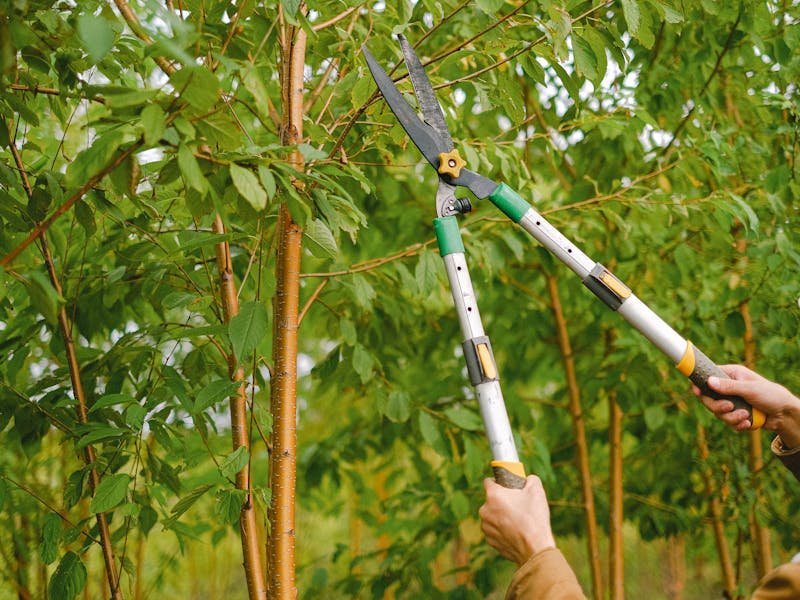
Proper crepe myrtle pruning is actually simple once you understand the principles. The goal is to maintain the tree's natural shape, remove only what needs to go, and preserve the strong trunk and branch structure. Here is a step-by-step approach.
When to prune: Late winter in Huntsville, typically mid-February through early March, is the ideal pruning window. The tree is dormant and leafless, making it easy to see the branching structure. Pruning before new growth begins allows the tree to direct its energy into the remaining branches.
Step 1: Remove suckers. Start at the base. Crepe myrtles commonly produce shoots (suckers) from the base of the trunk and from the root system. Remove all of these by cutting them flush with the trunk or pulling them off at ground level. This keeps the base clean and directs energy to the main trunks.
Step 2: Remove crossing and rubbing branches. Look for branches that cross over each other or rub against adjacent branches. These create wounds and restrict airflow. Remove the weaker of the two crossing branches by cutting it back to where it originates.
Step 3: Thin interior growth. Open up the interior of the canopy by removing small, twiggy growth that is growing inward toward the center of the tree. This improves air circulation, which helps prevent powdery mildew, and allows light to reach interior branches. Think of it as decluttering. You want an open, airy canopy, not a dense thicket.
Step 4: Remove dead wood. Cut out any dead or damaged branches. In Huntsville, ice storms and summer thunderstorms can cause branch breakage, and removing damaged wood prevents disease entry and improves appearance.
Step 5: Lightly shape if needed. If branches are extending too far in one direction or the overall shape is unbalanced, you can selectively shorten individual branches. The key word is "selectively." Cut back to a side branch or a bud that is pointing in the direction you want new growth to go. Never cut back to a stub.
The pencil rule: Here is the simplest guideline we give homeowners. Do not cut any branch that is thicker than a pencil. If you limit your pruning to branches pencil-thickness and smaller, it is almost impossible to do serious harm to the tree. The main trunks and major branches should never be cut.
Best Crepe Myrtle Varieties for Huntsville, Alabama
Not all crepe myrtles are created equal, and choosing the right variety for your situation is just as important as proper care. The best crepe myrtles for Huntsville are varieties that have been bred for disease resistance, cold hardiness, and strong growth habits. Here are our top recommendations, organized by size.
Large Varieties (20 to 30+ feet)
These are statement trees. They work well as specimen trees in large yards, along property borders, or lining long driveways. Neighborhoods like Hampton Cove, The Ledges, and Harvest with larger lots are ideal for these.
- Natchez – White flowers, stunning cinnamon-brown peeling bark, 25 to 30 feet tall. Excellent mildew resistance. Arguably the finest crepe myrtle variety ever developed. A mature Natchez in full bloom is breathtaking. This is the variety you see lining the streets in many Southern towns.
- Muskogee – Light lavender flowers, 20 to 25 feet tall. Outstanding mildew resistance. Beautiful gray-brown peeling bark. A great choice if you want color but not the bright pinks and reds.
- Tuscarora – Coral-pink flowers, 15 to 25 feet. Strong mildew resistance. Upright growth habit that works well in tighter spaces than other large varieties.
- Dynamite – True red flowers, 20 to 25 feet. One of the best red varieties available. Strong grower with good disease resistance. If you want a red crepe myrtle, this is the one.
Medium Varieties (12 to 20 feet)
These are the most versatile crepe myrtles. They fit in most Huntsville yards without overwhelming the space. Great for front yards, patios, and garden borders.
- Sioux – Dark pink flowers, 15 to 20 feet. Excellent mildew resistance. Beautiful dark red-brown bark. A reliable performer in Huntsville.
- Tonto – Fuchsia-red flowers, 10 to 15 feet. Compact growth habit. Good disease resistance. Works well in smaller yards common in Five Points and Blossomwood.
- Catawba – Dark purple flowers, 12 to 15 feet. One of the best purple varieties. Moderate mildew resistance. A standout for its unusual color.
- Arapaho – True red flowers, 15 to 20 feet. Outstanding mildew resistance. One of the newer National Arboretum introductions and a strong performer in our climate.
Dwarf and Semi-Dwarf Varieties (3 to 12 feet)
Perfect for foundation plantings, small gardens, containers, and spaces where a full-sized crepe myrtle would be too large.
- Acoma – White flowers, 10 to 15 feet with a spreading, weeping habit. Excellent mildew resistance. Beautiful pendulous branches that create a graceful, arching form.
- Hopi – Medium pink flowers, 8 to 10 feet. Compact, rounded form. Very good mildew resistance. An excellent choice for smaller spaces.
- Chickasaw – Lavender-pink flowers, 2 to 3 feet. A true miniature that works as a ground cover or low border planting. Surprisingly tough and floriferous for its size.
- Pocomoke – Rose-pink flowers, 3 to 5 feet. Compact and dense. Good for mass plantings and borders.
A word about the varieties you should avoid. The older, non-hybrid crepe myrtle varieties that have been around for decades are significantly more susceptible to powdery mildew. If you are planting new crepe myrtles in Huntsville, invest in one of the named varieties above, specifically the National Arboretum hybrids (the ones with Native American tribal names). They were bred at the U.S. National Arboretum specifically for disease resistance and cold hardiness, and the difference in performance is dramatic.
Crepe Myrtle Disease Prevention and Treatment in Huntsville
Huntsville's warm, humid climate creates favorable conditions for several crepe myrtle diseases. The good news is that all of them are manageable with the right knowledge and proactive care. Here are the diseases you are most likely to encounter and how to deal with them.
Powdery Mildew
This is the number one crepe myrtle disease in North Alabama. Powdery mildew shows up as a white or grayish powdery coating on leaves, flower buds, and new shoots. It is most prevalent during periods of warm days and cool nights with high humidity, which describes a lot of our spring and fall weather. Severe cases can distort leaves, prevent flowers from opening, and cause early leaf drop.
Prevention and treatment:
- Choose resistant varieties. This is the single most effective strategy. The National Arboretum hybrids (Natchez, Muskogee, Tuscarora, Tonto, Sioux, Arapaho) have excellent powdery mildew resistance. Planting these varieties largely eliminates the problem.
- Improve air circulation. Thin the interior of the canopy during winter pruning to allow air to flow through the tree. Crowded, dense growth traps humidity and promotes mildew.
- Plant in full sun. Crepe myrtles planted in shade are far more susceptible to mildew than those in full sun. At least 6 to 8 hours of direct sunlight daily is ideal.
- Treat with fungicide if needed. For existing infections, neem oil, potassium bicarbonate, or myclobutanil-based fungicides are effective. Apply at the first sign of infection and repeat as directed on the label.
Sooty Mold
Sooty mold is the black, soot-like coating that develops on crepe myrtle leaves. It looks alarming but is actually a secondary problem. The real culprits are aphids and scale insects, which excrete a sugary substance called honeydew. The sooty mold fungus grows on the honeydew, not on the tree itself. You will often notice the leaves looking shiny and sticky before the black mold appears.
Treatment involves controlling the insects. Aphid populations can be reduced by spraying the foliage with a strong jet of water, which knocks the aphids off the leaves. For heavier infestations, insecticidal soap or horticultural oil are effective and low-toxicity options. Beneficial insects like ladybugs and lacewings are natural aphid predators and should be encouraged.
Cercospora Leaf Spot
This fungal disease causes dark brown spots on leaves, starting at the bottom of the canopy and working upward. In severe cases, it can cause significant leaf drop in late summer and fall. It is most common during extended periods of wet weather, which we can certainly get in Huntsville during late-summer thunderstorm patterns.
Prevention focuses on sanitation. Rake up and dispose of fallen leaves in autumn, as the fungus overwinters on leaf debris. Avoid overhead irrigation that keeps foliage wet. If treatment is needed, fungicides containing chlorothalonil or myclobutanil are effective.
Japanese Beetle Damage
Japanese beetles are not a disease, but they can do significant damage to crepe myrtle foliage and flowers. These metallic green and copper beetles emerge in Huntsville around mid-June and feed aggressively through July, skeletonizing leaves and chewing through flower buds. Crepe myrtles are one of their favorite targets.
Control options include hand-picking (effective for small numbers), treating the lawn with milky spore or Grub-X to reduce the grub population, and applying insecticide to the foliage during peak beetle season. Avoid the yellow pheromone beetle traps, as they actually attract more beetles to your yard than they catch.
Seasonal Crepe Myrtle Care Calendar for Huntsville
Here is a month-by-month care calendar tailored specifically to Huntsville's growing conditions. Following this schedule will keep your crepe myrtles in top condition year-round.
Late Winter (February – Early March)
This is pruning season. Prune your crepe myrtles before new growth starts, following the proper pruning guidelines above. Remove suckers, thin interior growth, remove dead wood, and lightly shape if needed. Do not top them. This is also the time to clean up any remaining leaf debris from fall.
Spring (March – May)
Apply a balanced slow-release fertilizer in mid-to-late March as new growth begins. A 10-10-10 or 12-4-8 formula works well. Apply according to the label directions based on the tree's size. Water newly planted crepe myrtles regularly during spring, giving them at least an inch of water per week. Established trees generally do not need supplemental watering during a normal spring. Watch for late freeze damage on new growth. If new shoots are blackened by a late frost, they will regrow on their own.
Summer (June – September)
This is bloom time. Enjoy the show. During extended dry periods, water deeply once a week rather than frequent shallow watering. Maintain a 2 to 3 inch layer of mulch around the base to retain moisture and keep roots cool. Watch for aphids, Japanese beetles, and signs of powdery mildew. Remove spent flower clusters (deadheading) to encourage a second flush of blooms later in the season. This is optional but can extend the bloom period by several weeks.
Fall (October – November)
Do not prune in fall. Let the leaves drop naturally and enjoy the fall color, which ranges from yellow to orange to red depending on the variety. After leaves have fallen, rake them up, especially if the tree had any disease issues during the season. Diseased leaves left on the ground will harbor fungal spores over winter. Do not fertilize in fall, as this can stimulate tender new growth that will be damaged by winter cold.
Early Winter (December – January)
Crepe myrtles are dormant now, and this is when their beautiful bark really shines. If you planted new crepe myrtles this year, add an extra layer of mulch around the base (up to 4 inches) for root protection during cold spells. Do not prune yet. Wait until late February when you can see any winter damage and prune accordingly.
Planting New Crepe Myrtles in Huntsville
If you are adding crepe myrtles to your Huntsville property, proper planting sets the stage for years of healthy growth and stunning blooms. Here is what you need to know.
Site Selection
Full sun is non-negotiable. Crepe myrtles need at least 6 to 8 hours of direct sunlight daily to bloom their best and resist disease. Partial shade reduces blooming and increases powdery mildew risk. The south and west sides of your property typically receive the most sun in Huntsville.
Give them room. Check the mature size of the variety you are planting and allow adequate space. A Natchez crepe myrtle that matures at 25 to 30 feet tall with a 15 to 20 foot spread needs to be planted far enough from the house and other structures to accommodate that growth. Planting too close and then having to constantly prune to keep it in bounds defeats the purpose of choosing a large variety.
Soil Preparation
Huntsville's red clay soil is workable but benefits from amendment. Dig the planting hole two to three times wider than the root ball but only as deep. Mix the backfill soil with compost or composted pine bark at a ratio of about 50/50 with the native clay. This improves drainage while retaining enough moisture. Do not plant too deeply. The top of the root ball should sit level with or slightly above the surrounding soil grade.
Watering New Plantings
New crepe myrtles need consistent moisture during their first two growing seasons while they establish a root system. Water deeply two to three times per week during the first summer, and once a week during the second summer. After that, established crepe myrtles are fairly drought tolerant and only need supplemental water during extended dry periods. Our watering guide for Alabama summers has more detailed information.
Mulching
Apply 2 to 3 inches of organic mulch (pine bark, hardwood mulch, or pine straw) in a circle around the base of the tree, extending out to the drip line if practical. Keep the mulch pulled 2 to 3 inches away from the trunk itself to prevent moisture buildup against the bark, which can promote disease. Mulch conserves moisture, regulates soil temperature, and suppresses weeds, all of which benefit new plantings.
Rescuing a "Crepe Murdered" Tree
If your crepe myrtle has been topped in previous years and you want to restore its natural form, it is possible, but it takes patience. Here is the rehabilitation process.
Look at the knobby stubs where previous cuts were made. You will see multiple thin shoots growing from each stub. Select the one or two strongest, best-positioned shoots from each stub and remove the rest. The chosen shoots will become the new branch structure. Over the next two to three growing seasons, these selected shoots will thicken and elongate, gradually rebuilding the canopy.
If the topping damage is severe and the stubs are very thick and ugly, you have a tougher decision. You can either cut the entire tree back to 6 to 12 inches above ground and allow it to regrow from scratch, selecting the best new shoots as they develop, or you can remove the tree entirely and plant a new one. A young, properly cared-for crepe myrtle can reach 10 to 15 feet in just four to five years, so starting fresh is not as daunting as it might sound.
The most important thing is to stop the cycle. If your landscape crew has been topping your crepe myrtles each year, tell them to stop. Show them this guide. If they insist that topping is necessary, that tells you everything you need to know about their horticultural knowledge, and you should find a different crew. Any professional tree service worth hiring will prune crepe myrtles properly.
Frequently Asked Questions About Crepe Myrtle Care
Professional Crepe Myrtle Care in Huntsville
Crepe myrtles are one of the most rewarding trees you can grow in Huntsville. With the right variety, proper pruning, and basic seasonal care, they will reward you with decades of stunning summer color, beautiful bark, and graceful form. They are tough, adaptable, and perfectly suited to our North Alabama climate.
If you have crepe myrtles that need professional pruning, if you are dealing with disease issues, or if you want to plant new crepe myrtles and need advice on variety selection and placement, we are here to help. Our team understands proper crepe myrtle care and will never commit crepe murder on your trees. We prune the right way, every time.
We also handle crepe myrtle removal for trees that have outgrown their space, been damaged beyond recovery, or need to be replaced with a better variety. And if you have old stumps from crepe myrtles that have been removed, our stump grinding service can clean those up quickly.
Call us at (256) 555-0123 or request a free estimate online. We serve all of Huntsville, Madison, Decatur, Athens, and the surrounding North Alabama communities. Let us help your crepe myrtles look their absolute best.